Basement Stabilization in Tampa, FL
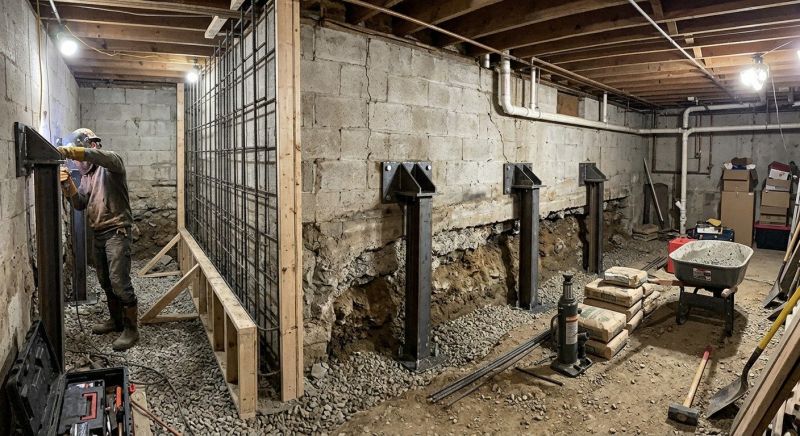
Basement stabilization services involve reinforcing and leveling the foundation of a home to prevent or correct structural issues caused by shifting soil, settling, or water damage. These projects typically address problems such as uneven floors, cracked walls, or bowing basement walls, helping to maintain the integrity and safety of the property. Homeowners often seek this service when signs of foundation movement become noticeable, or when planning renovations that require a stable and secure basement environment.
Before requesting basement stabilization, property owners usually want to understand the scope of the work needed, including the methods used and the potential impact on their home. It’s important to consider factors like the extent of foundation movement, the underlying causes, and any necessary repairs to surrounding structures. Clear communication about the process can help ensure the stabilization work effectively restores stability and prevents future issues.
Many property owners in Tampa, FL look into Basement Stabilization for repairs, replacements, upgrades, and appearance-related improvements.
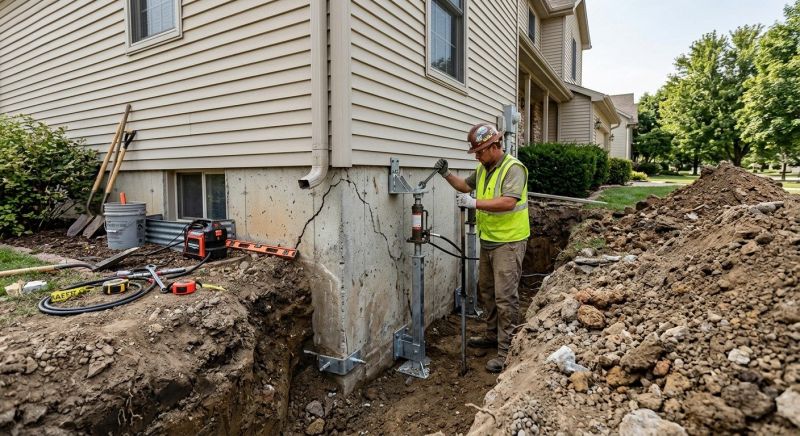
Foundation Support Solutions
Basement stabilization helps prevent further settling and structural damage in homes and commercial buildings.
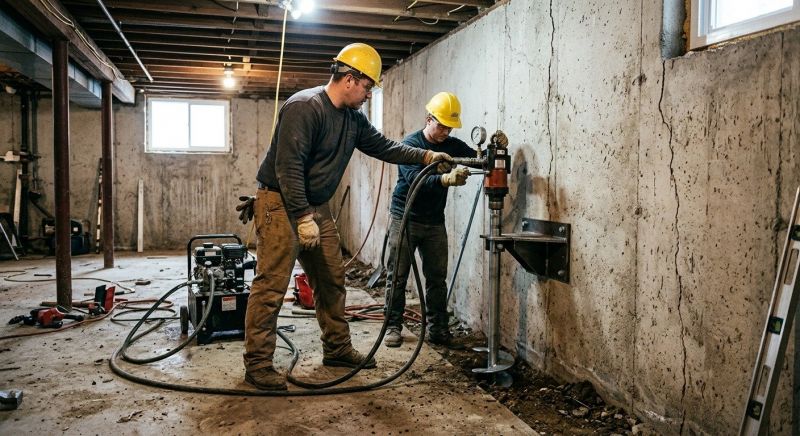
Signs Of Basement Instability
Cracks in walls, uneven floors, and sticking doors are common indicators of basement foundation issues.
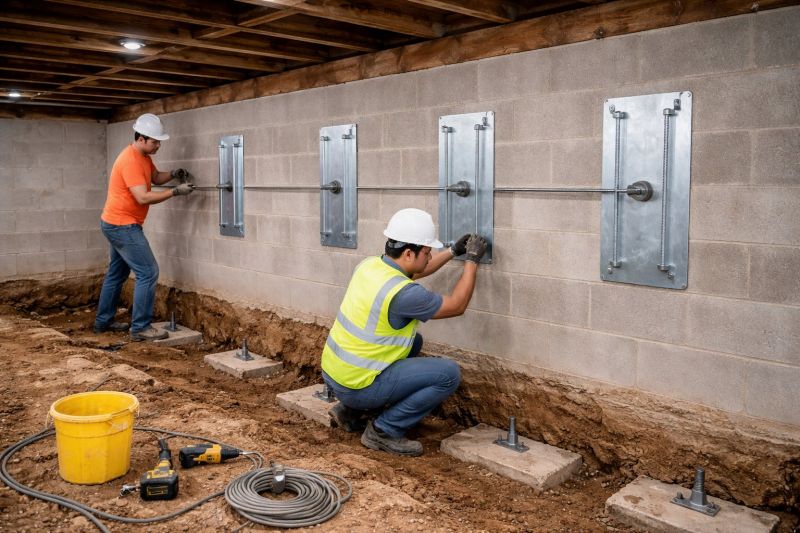
Common Stabilization Methods
Soil anchors, underpinning, and pier systems are often used to restore stability to compromised basements in tampa area properties.
Basement Stabilization in Tampa, FL

Basement stabilization services involve reinforcing and leveling the foundation of a home to prevent or correct structural issues caused by shifting soil, settling, or water damage. These projects typically address problems such as uneven floors, cracked walls, or bowing basement walls, helping to maintain the integrity and safety of the property. Homeowners often seek this service when signs of foundation movement become noticeable, or when planning renovations that require a stable and secure basement environment.
Before requesting basement stabilization, property owners usually want to understand the scope of the work needed, including the methods used and the potential impact on their home. It’s important to consider factors like the extent of foundation movement, the underlying causes, and any necessary repairs to surrounding structures. Clear communication about the process can help ensure the stabilization work effectively restores stability and prevents future issues.
Many property owners in Tampa, FL look into Basement Stabilization for repairs, replacements, upgrades, and appearance-related improvements.
Common Basement Stabilization Jobs
Basement Stabilization - techniques to prevent foundation shifting and structural damage.
Foundation Reinforcement - methods to strengthen weakened basement walls and prevent further movement.
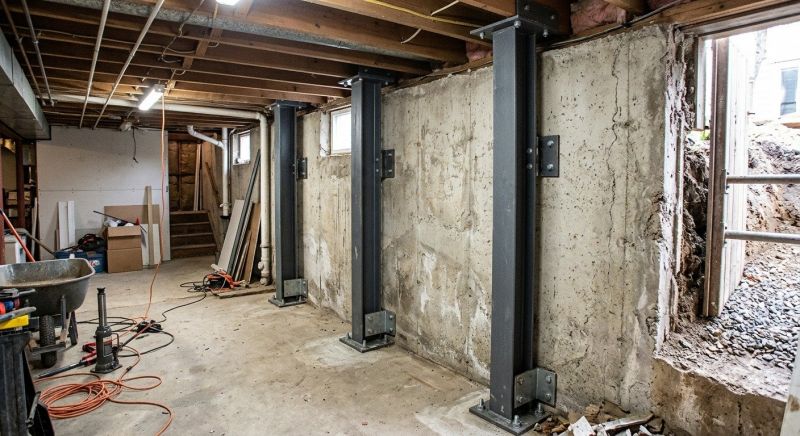
Wall Bracing - supports installed to keep basement walls upright and secure.
Soil Pressure Management - solutions to reduce pressure exerted on basement walls from surrounding soil.
Crack Repair - sealing and stabilizing cracks to maintain basement integrity.
Water Drainage Solutions - systems to control water flow and reduce soil erosion around the foundation.
Basement Stabilization Questions
What causes basement instability? Soil shifting, poor drainage, and foundation issues can lead to basement instability and uneven floors.
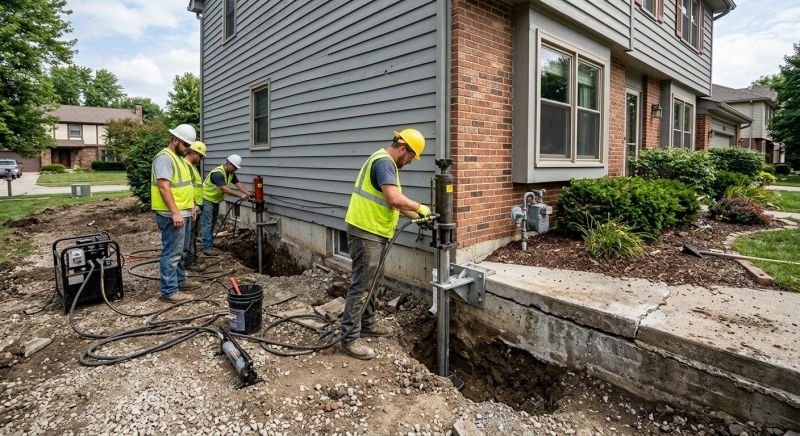
How is basement stabilization performed? Techniques include installing underpinning, wall braces, or soil stabilization methods to reinforce the foundation.
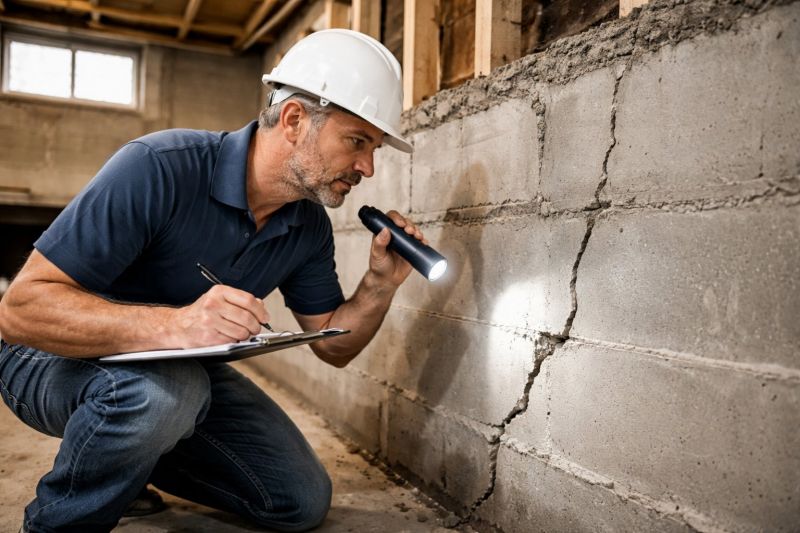
What signs indicate a need for basement stabilization? Cracks in walls or floors, uneven flooring, and doors or windows that stick may signal foundation problems.
Can basement stabilization prevent future damage? Yes, addressing foundation issues early can help maintain structural integrity and prevent further settling.
Request Basement Stabilization in Tampa, FL
Use the quote form on this page to share the basics of your project and request more information for the type of work you need.